
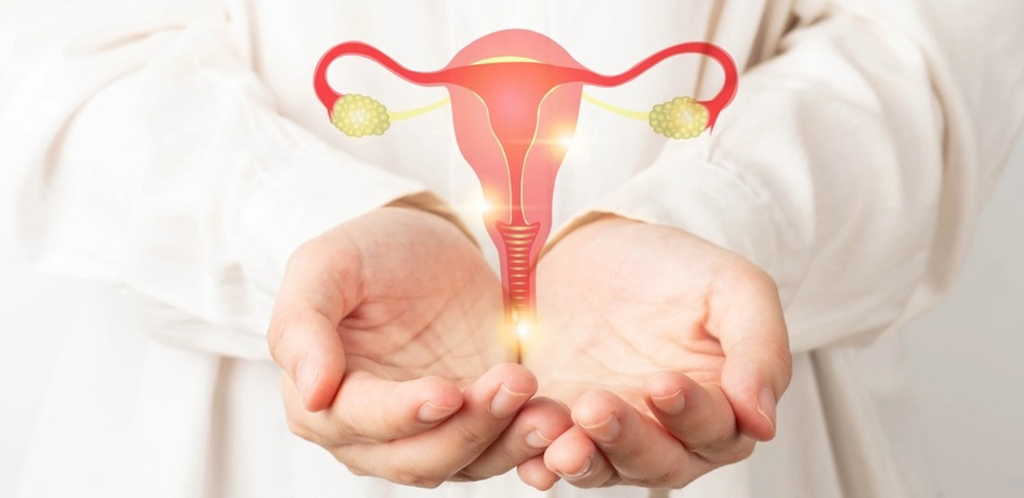
What is PCOS?
Dealing with PCOS (polycystic ovarian syndrome) can be overwhelming, especially with all the complications that can spiral out of control once it begins. One can only guess where it starts, but no one can be sure what is the exact cause of PCOS.
Once it has been diagnosed, there are multiple branches which need to be attended to at the same time since this condition is so complex. Everything from insulin resistance and abnormal menstrual cycles to hirsutism and hair loss come under the symptoms of PCOS.
PCOS is very common and it affects women in their reproductive years, in fact, one in every ten women suffers from PCOS, most of these women actually don’t even know that they have been suffering with PCOS because it stays undiagnosed.
But how does one know that they might be suffering from PCOS? The whole point is that a syndrome is a condition where the cause is unknown, so how does one detect or know how to identify if they are having PCOS?
The symptoms of PCOS actually help one identify whether they are suffering from PCOS. There are multiple symptoms which come in the picture, starting from the most important ones first.
- Formation of ovarian cysts
- Irregular menstrual cycles
- Elevated androgens
- Hirsutism
- Insulin resistance
- Mood changes
- Male pattern baldness or hair fall
Now some of these symptoms, like insulin resistance or elevated androgen levels, can lead to cascade of other problems like type 2 diabetes, infertility, endometrial cancers, etc, while other symptoms like hirsutism and hair fall can actually influence the mood of the person. A common way that doctors usually identify whether a woman is suffering from PCOS is to check if she is suffering from any of the 2 out of the first 3 given symptoms in the checklist. A precautionary medication might be prescribed in order to avoid the initiation of other symptoms and prevent further complications.
These complications seem scary and they are actually scary, but a lifestyle change in case of many women has reported that the severity of PCOS can be managed and women can live normal lives, their menstrual cycles return to normal, blood sugar levels can be controlled, mood improvements can take place, basically everything can be put under control.
Diet and exercise are treated as two magic words by a lot of women who have effectively managed their PCOS. Let’s understand how diet and exercise help in managing PCOS.
Diet and exercise for PCOS
Insulin resistance is one of the most common symptoms when a woman is suffering from PCOS. Insulin resistance is the inability of one’s cells to allow the hormone insulin to do its job of shoving the glucose inside our cells. So instead, this excess glucose is converted into body fat (adipose tissue) and one tends to gain weight as a result of insulin resistance.
Our cells become inefficient in responding to insulin if the blood glucose levels are always on the higher side, usually if you keep eating sugary foods which cause blood sugar spikes. So, an important guideline to consider would be avoiding sugary foods, in order to prevent blood glucose from spiking and potentially avoid diabetes in the long run.
Speaking of glucose and cells, our body utilises glucose as a form of energy while we perform any activity, even more glucose is consumed if we exercise. So, choosing exercise to efficiently manage symptoms of PCOS is a very logical step. A lot of members who have worked with OMFIT made a choice of adding strength training exercises to their weekly routine.
Strength training demands your muscles to work beyond their daily life functions, this stimulus causes muscles to grow in size. Which means that more muscle mass and active exercise routine will enable a woman to be more efficient in utilising blood glucose.
Exercise is also a great tool to cope up with fluctuations in your mood. Exercise therapy is prescribed to people suffering from mood disorders, this is a way to help our body understand that we are moving. Movement is a necessary part of our existence, without movement, we tend to accelerate ageing and complications related to the musculoskeletal system emerge.
So it's pretty conclusive that we need good food, good mood and good movement to improve lifestyle disorders like PCOS. Now there's a reason why PCOS is termed as a lifestyle disorder, the reason being that working on just one pillar of one’s lifestyle will likely not cause significant improvement in symptoms of PCOS, but a holistic approach towards health and fitness definitely has proven results.
Lifestyle changes if you are looking forward to manage PCOS effectively
Here are 5 lifestyle changes that you should start applying (from now) to effectively manage PCOS
- Nutrition -

As we’ve discussed above, choosing foods with no sugar is needed, but along with elimination of sugar, addition of vital micronutrients and protein is needed. You should make sure that you are completing your daily requirements for these micronutrient needs of your body, otherwise supplementation should be opted. Same applies with protein, if you are not able to eat adequate protein through whole foods, choose a supplement that addresses the same.
Avoid processed foods - anything that comes in plastic packets should be cross checked for a suitable fresh food option. There are some choices which can’t be replaced, like cooking oils or dairy products.In such cases, please make sure that these products are the best quality.
- Environment -

Your surroundings should be conducive for leading a healthy life. If you live in a city, doesn’t mean that you’ll need to move in the mountains or forests to live a healthy life, in fact you can choose to spend your time wisely in the nature on weekends, minimise the usage of electronic devices at night and utilise a water purifier to minimise the risk of pollutants that can potentially enter your body through water. These small details are often missed because of our fast paced lives in cities, but these small things can actually have a big impact on one’s lifestyle.
- Exercise and movement -
We are made to move! If you look at the structure of your own body, every joint has a specific movement it has been designed to perform. Your hairdresser might work smoothly even if you don’t touch it for a month, but that's not the case with our bodies. Our nervous system is connected with our musculoskeletal system and receives constant feedback on movements and surroundings. Your mood and energy levels depend on how well you are utilising your body to perform daily tasks.
So, make sure you start with an activity which interests you the most, but gets you moving! Start small, stay consistent and reap the rewards once you have built habits which keep the momentum going.
- Notice what is happening on the inside -
A lot of people often ignore the instructions their body gives them, but when the doctor hands them a list of tests which show the real picture, only then they become aware of the complete situation.
Regular checkups and blood tests are a great way of knowing how your body is functioning on the inside. You can actually estimate what might happen in the future by analysing your blood reports on a regular basis.
Six months is a good time frame to keep a record of your blood markers and identify trends.
Don’t take irregularities in your menstrual cycles casually. Our bodies tend to work in cycles, and if this monthly pattern keeps getting disrupted more than twice, it's time to head out to a gynaecologist and get things cleared up.