
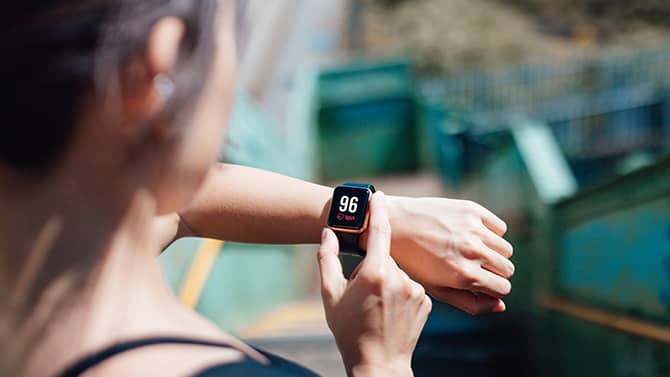
Rethinking Fitness Watches: Beyond the Numbers.
In a world dominated by fitness trackers and smartwatches, we often find ourselves fixated on the numbers – calories burnt, steps taken, heart rate fluctuations. However, what if I told you that you might not need those fancy gadgets as much as you think?
The Numbers Game: Unveiling the Margin of Error.
Many rely on their fitness watches to measure the calories burned during a workout. Shockingly, studies reveal a staggering 23-80% margin of error in these calculations. For example, you burned 1000 calories whereas the watch may show the calories burned in the range of 250-850 calories!
One study even mentions “No brand fell within the acceptable accuracy limits for energy expenditure.” (1). The implications of such discrepancies can impact your fitness goals and lead you down a path of misguided efforts. So do not rely on these devices as much for calories burnt.
There is another concept or a feature as you may call it, which is active calories vs. total calories
Total calories are the amount of calories burnt in a day and active calories, represent the energy expended during physical activity/workout.
Workouts must be performed to increase strength, flexibility, mobility, speed, and endurance, not to burn calories.
Another reality check is, that we don't always wear a fitness watch.
Let's face it – not everyone wears a fitness watch all the time. It's not uncommon to forget it at home or misplace it during a busy day at work. This presents a significant disadvantage as your tracking tool becomes unavailable when you need it the most.
Although, all your money is not in vain if you have invested in a fitness tracker. While fitness watches may have their flaws in tracking calories burnt, they excel in accurately measuring heart rate and steps during your workouts. These metrics can be crucial for understanding the intensity of your exercise and ensuring you stay on track.
But, there must be an alternative to relying solely on expensive fitness watches for tracking during workouts? Here are two simple devices to consider:
1. Pulse Oximeters - Pulse oximeters use light to measure oxygen saturation in the blood and can also detect the pulsatile flow, allowing them to estimate heart rate. They are often equipped with a heart rate monitor, providing both oxygen saturation and pulse rate readings. This handy device provides a reliable measure without the need for a wrist accessory. Almost everyone used this during the lockdown days!
2. Pedometer App - It counts the number of steps a person takes by detecting the motion of the hips or hands. It's commonly used to track daily step count. This can be easily downloaded on your phone and can be kept in the pocket to track daily step count.
So, you don't need a fitness watch to get fit. While fitness watches offer convenience, they aren't the be-all and end-all of tracking your fitness journey. Remember, the essence of a healthy lifestyle extends beyond the numbers on your wrist.
SEE YOU ON THE FIT SIDE!
References:
https://www.ncbi.nlm.nih.gov/pmc/articles/PMC7509623/
Reliability and Validity of Commercially Available Wearable Devices for Measuring Steps, Energy Expenditure, and Heart Rate: Systematic Review